
Advantages of DBC Substrates for Power Electronics
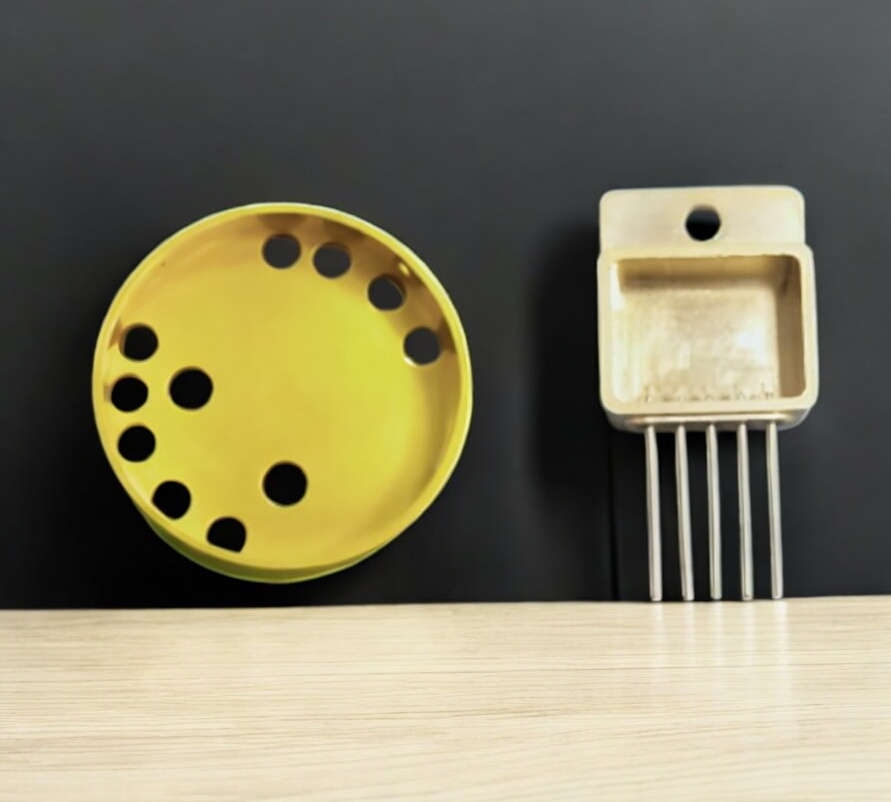
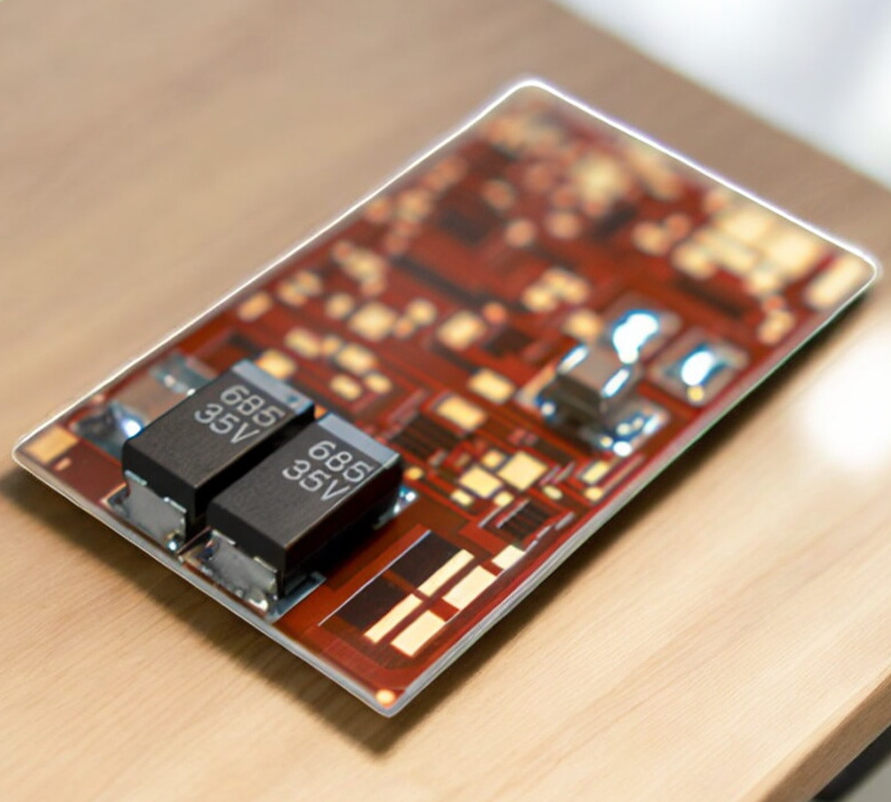
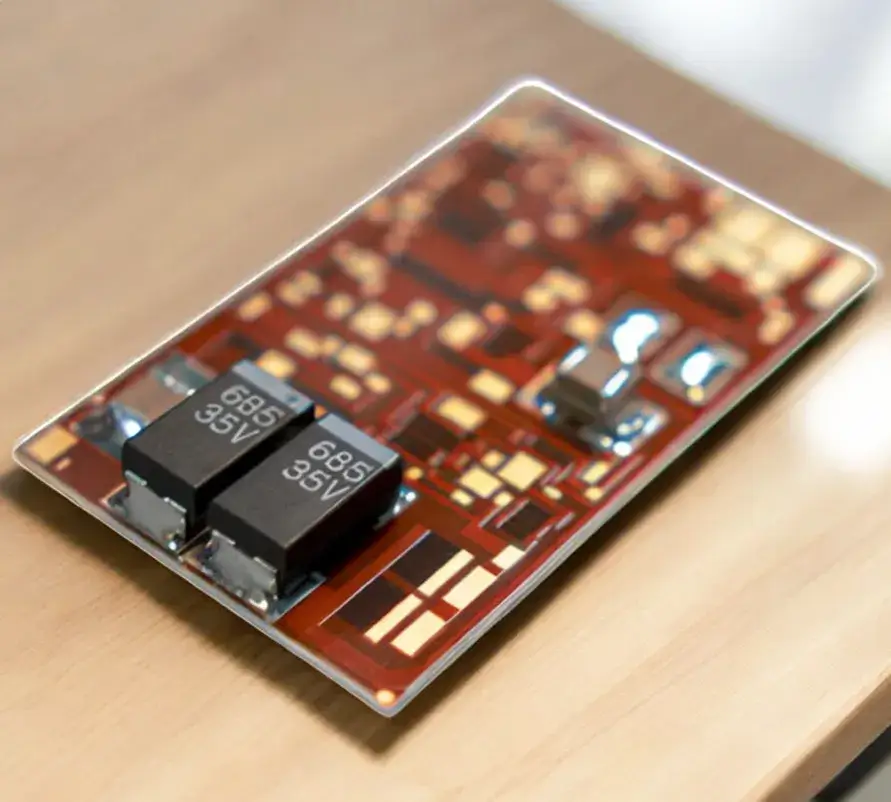
The advantages of DBC substrates are high current-carrying capability due to thick copper metallization and a thermal expansion close to silicon at the copper surface due to the high bond strength of copper to ceramic. DBC substrates have an excellent performance-to-cost efficiency ratio. The great heat conductivity of Al₂O₃ (24 W/mK), as well as the high heat capacity, make it a classic and irreplaceable material in power electronics. The thick copper foils offer extremely good electrical and thermal conductivity and form an outstanding base for soldering and wire bonding processes.
Applications of DBC Substrates in Power Electronics
Direct Bonded Copper (DBC) Substrates are used in power semiconductor modules such as IGBT, MOSFET, and diode modules across a range of industries. They are widely adopted in electric vehicle (EV) power electronics and battery management systems, as well as renewable energy systems including solar inverters and wind power converters. DBC substrates also find application in industrial motor drives, variable frequency drives (VFDs), railway traction systems, and aerospace & defense power electronics.