

Thin Film Sputtering & PVD Coating Process
There are multiple methods for the deposition of material on a ceramic substrate. DC (Direct Current) or RF sputtering is a thin film Physical Vapour Deposition (PVD) coating technique in which a target material used as the coating is bombarded with ionized gas molecules, causing atoms to be sputtered into the plasma. These vaporized atoms then condense and deposit as a thin film on the substrate to be coated. Depending on the requirement, two or three layers can be sputtered using a sputtering machine. A metallized substrate size of 4" × 4" is a good choice for optimum cost during the development and production of thin film substrates.
Applications
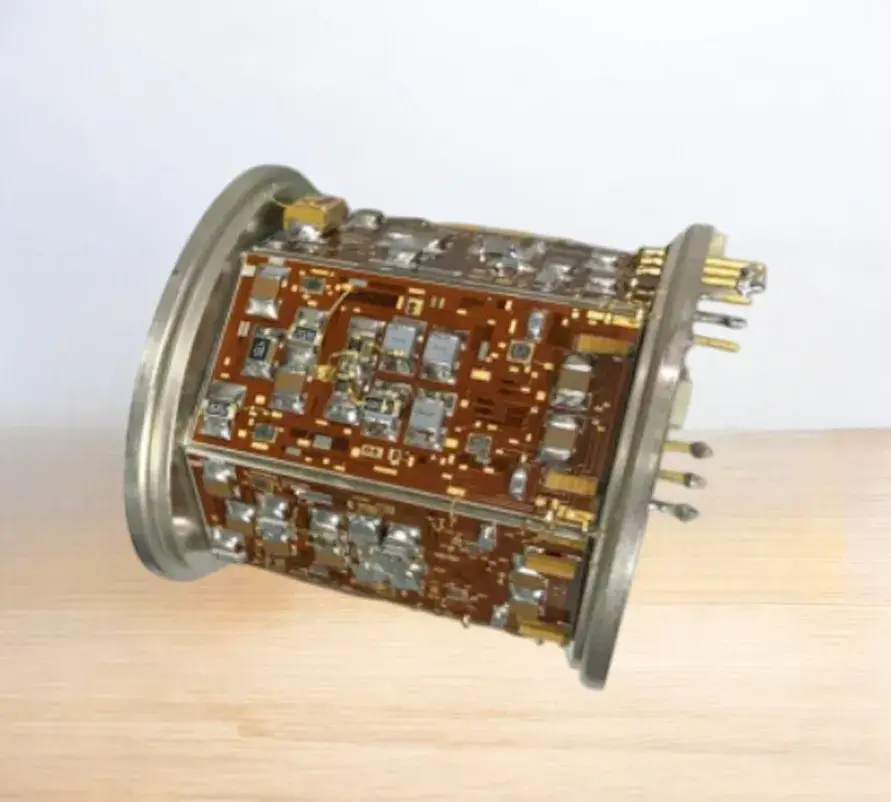
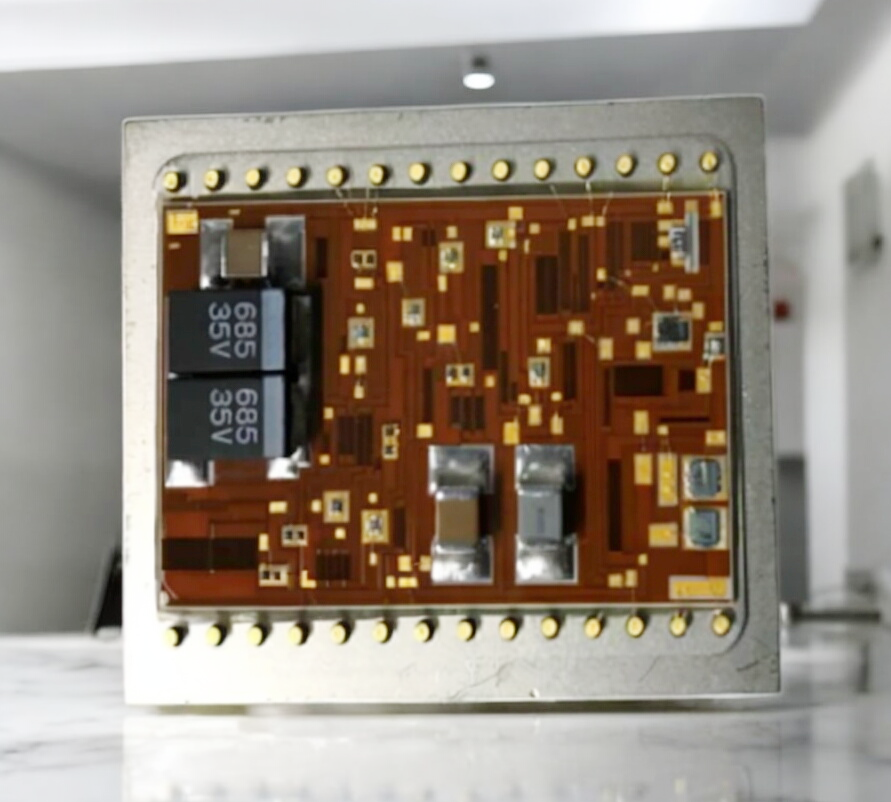
Thin Film Sputtered and Patterned Ceramic Substrates are widely used in RF/microwave circuits, hybrid microwave integrated circuits (MICs), and sensor devices requiring fine-line resolution and high circuit density. Their precision patterning and thermal stability also make them suitable for aerospace, defense, and telecommunications electronics. These substrates support high-frequency performance in applications where standard thick film substrates fall short.