

Microelectronics Assembly / Assemblies

Microelectronics Assembly Services in Pune
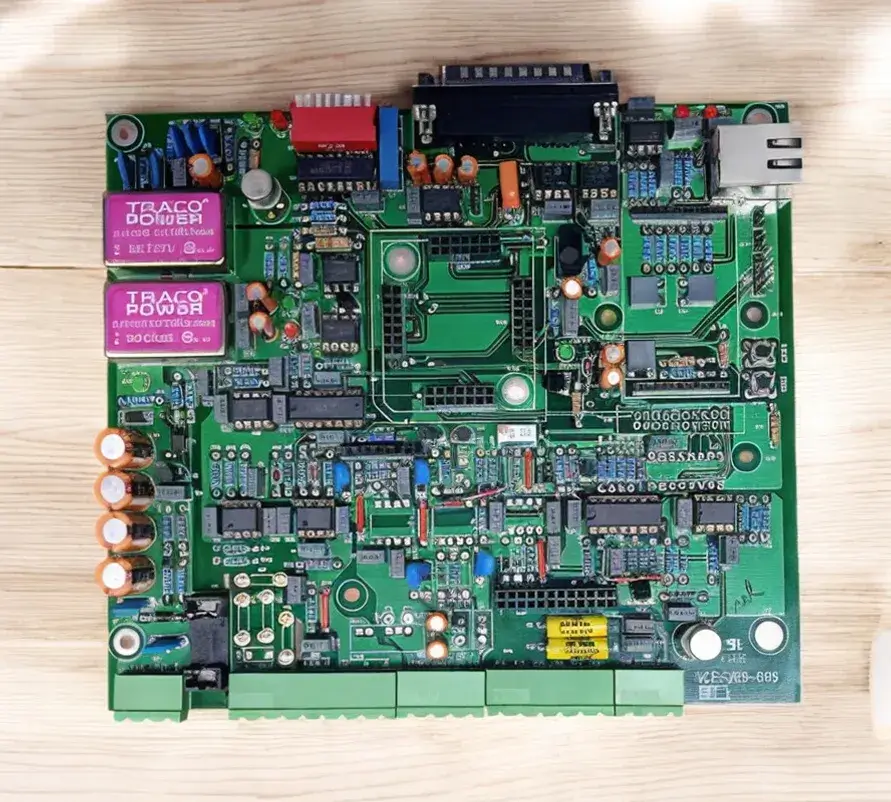
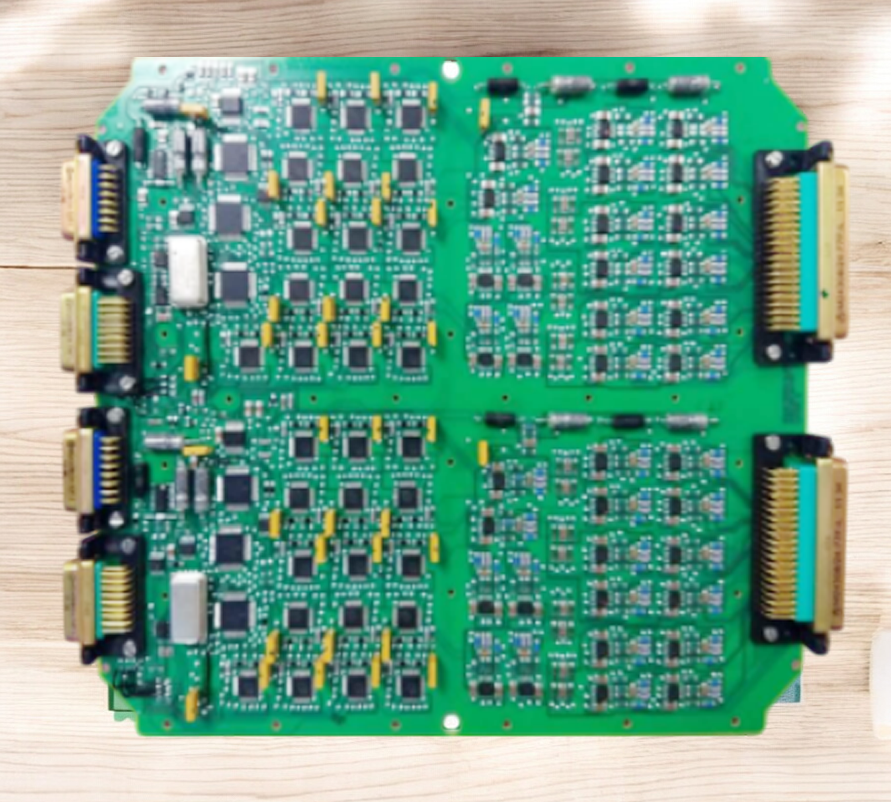
Microelectronics assembly and integration" refers to the process of combining tiny electronic components, like semiconductors and passive components, onto a substrate (usually a printed circuit board) to create a functional electronic circuit, often involving complex techniques to connect very small components with high precision and reliability, typically used in the manufacturing of integrated circuits (ICs) and other miniaturized electronic devices; essentially, it's the process of building a complete microelectronic system by assembling individual components and connecting them together in a designed way.
Applications
Microelectronics Assembly and Integration services are widely used in defense electronics, satellite systems, and avionics where precision component placement and reliable interconnections are critical. They also support the manufacture of RF/microwave modules, medical device electronics, and industrial control systems requiring compact, high-density circuit assemblies. These assembly capabilities enable OEMs to build complete, functional microelectronic systems for mission-critical applications.
Microelectronics Assembly & Integration Capabilities
Component Placement
0204 to 2512 chip components, all SMD active devices, QFP 0.5mm pitch, BGA using automated placement machines.
Soldering
Joining components to the substrate using high-temperature soldering techniques like SMT or through-hole soldering.
Die Attach
Attaching semiconductor dies onto the substrate using specialized epoxy with high precision.
Wire Bonding
Connecting tiny leads from the components to the circuit board using fine gold/aluminum wires.
Packaging
Encapsulating the assembled circuit with a protective package, using hermetic sealing.