

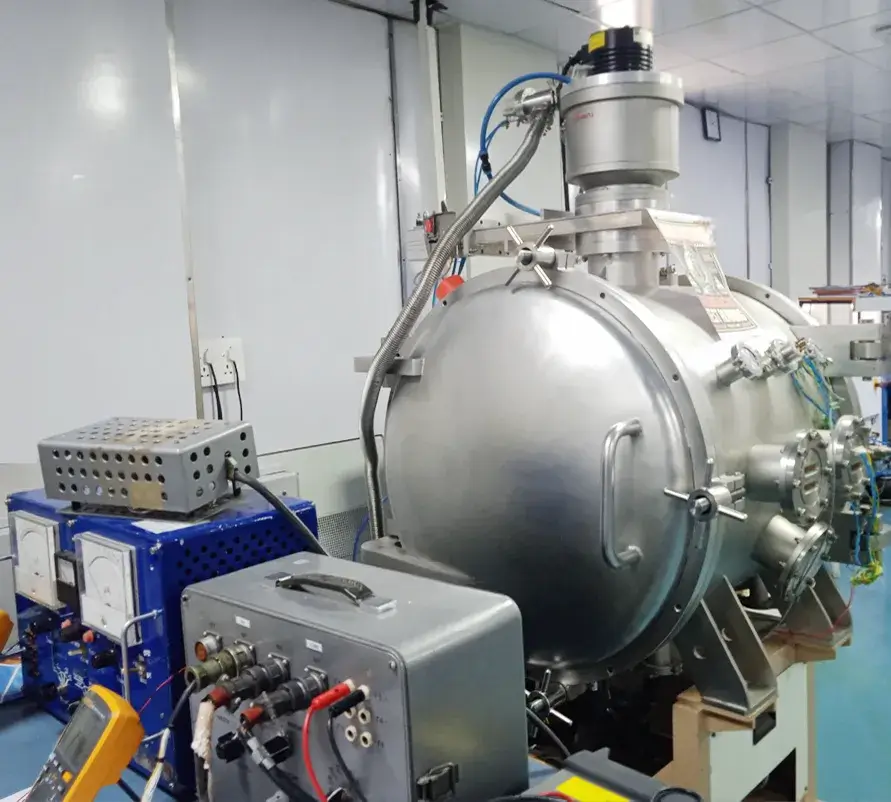
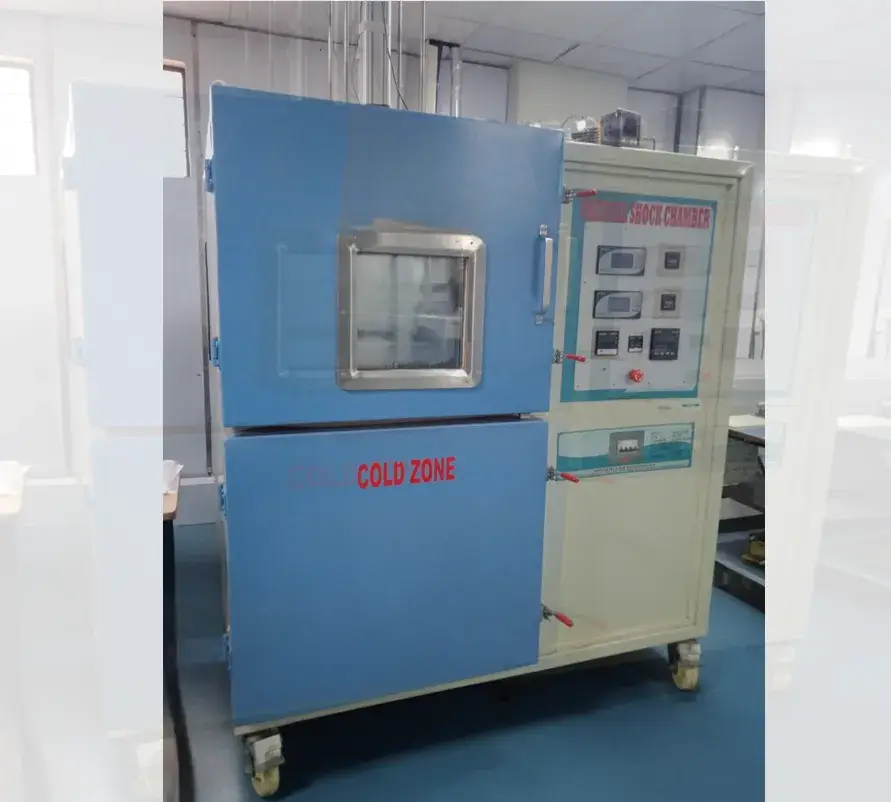
Environmental Screening & Testing Services in Pune
Environmental and screening testing" refers to a process where a product or component is exposed to various environmental stressors (like extreme temperatures, humidity, vibration, and shock) to identify potential flaws or weaknesses in its design, typically done early in the manufacturing process to prevent failures later in its lifespan, also known as "Environmental Stress Screening (ESS)".
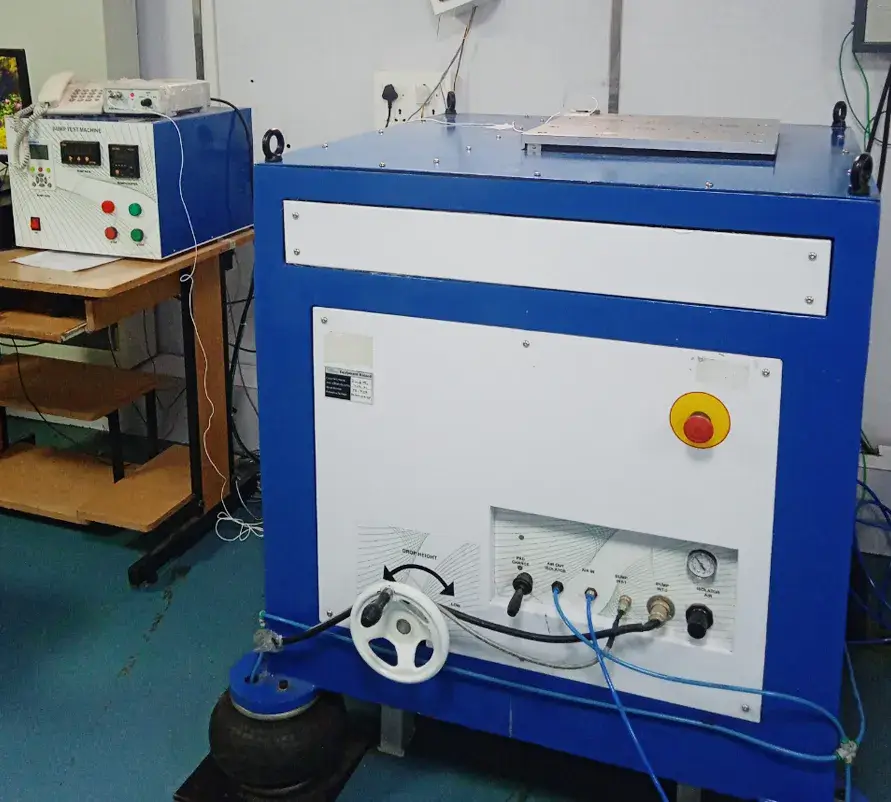
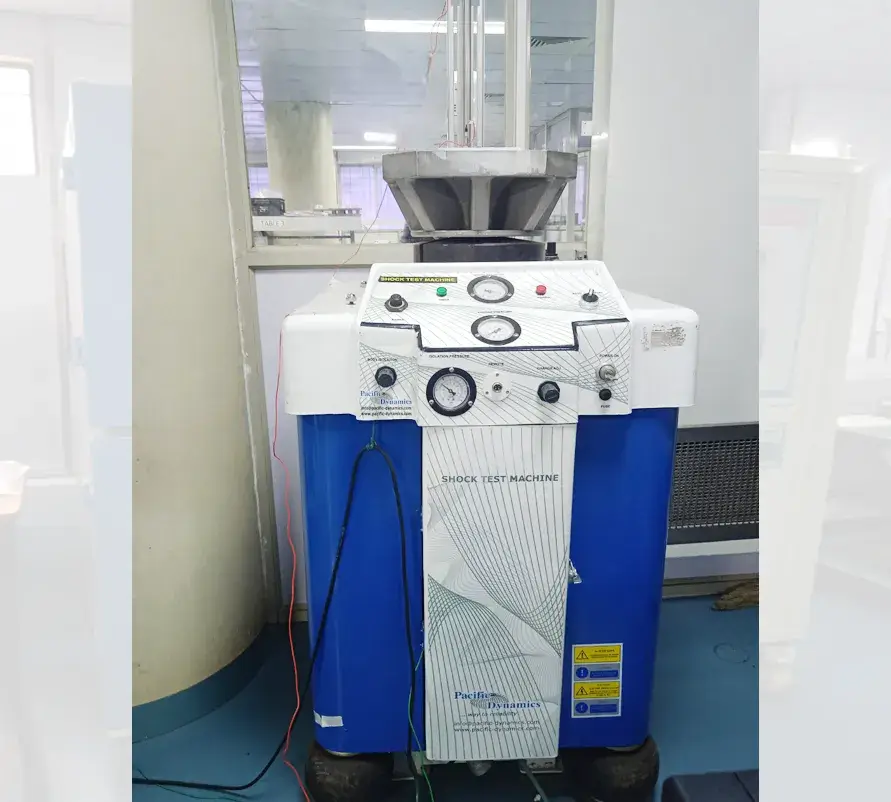
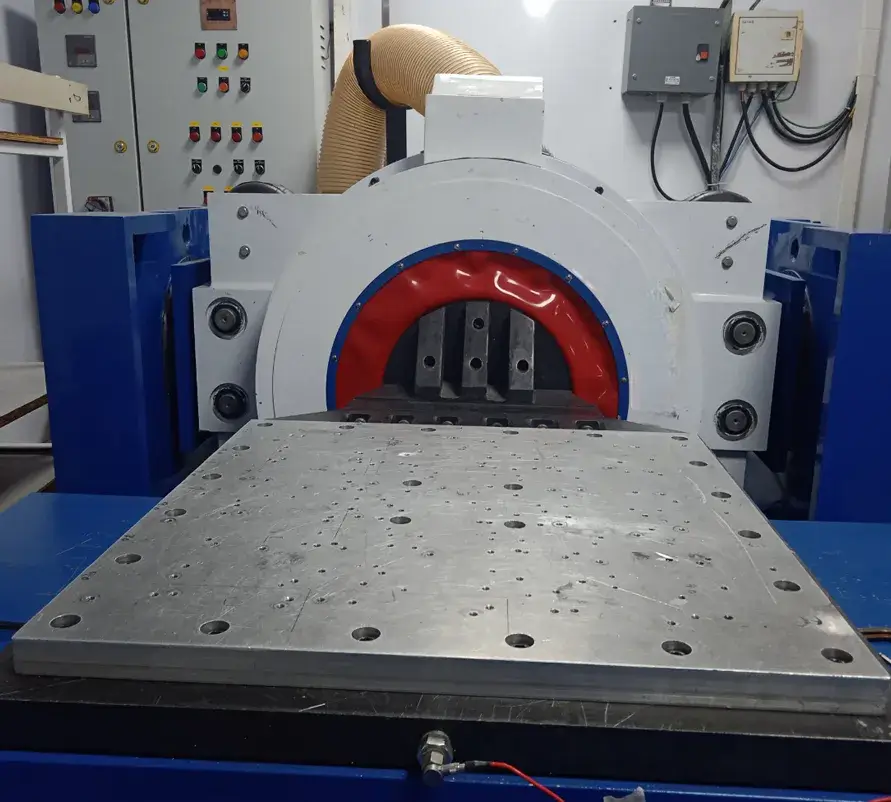
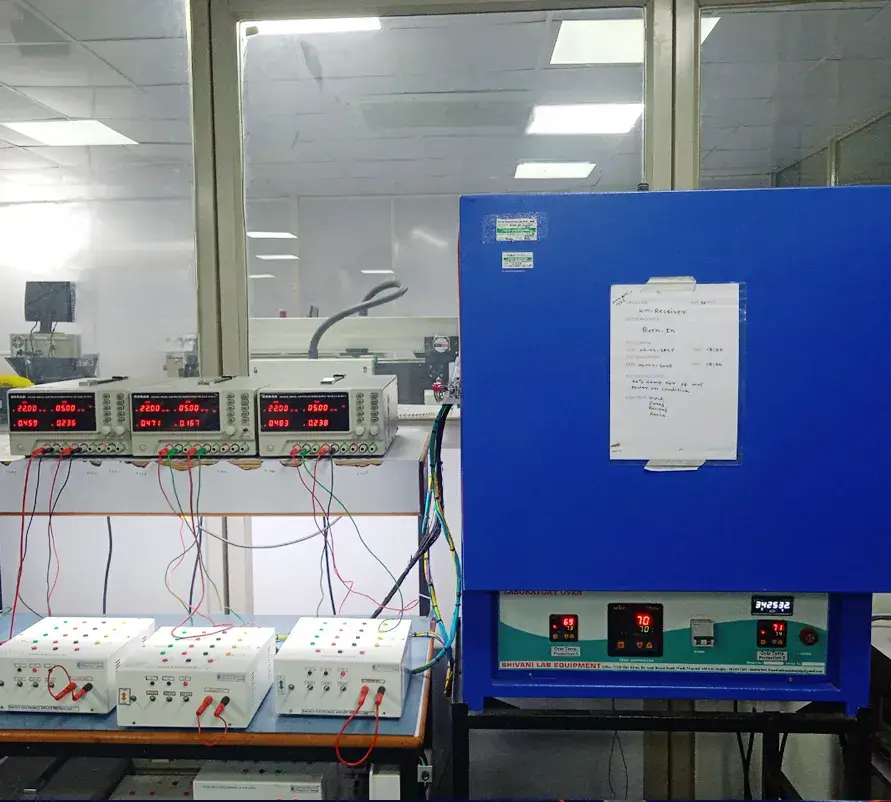
Following environmental screening test are available at BHOSCH Electronics Applied Technology (BEAT)
| S. No. | Test Name |
|---|---|
| 1 | Insulation resistance |
| 2 | Moisture resistance |
| 3 | Resistance to solvents |
| 4 | Steady–state operation life |
| 5 | High–temperature (non-operating) life |
| 6 | Reverse voltage leakage stability |
| 7 | Burn–in with power on condition |
| 8 | Salt atmosphere |
| 9 | Temperature cycle- -55 to +150 deg C |
| 10 | Thermal shock -55 to +150 deg C |
| 11 | Hermetic seal -fine and gross leak test |
| 12 | Dielectric withstanding voltage |
| 13 | Constant acceleration- 30000 g |
| 14 | Resistance to soldering heat |
| 15 | Terminal strength |
| 16 | Bond strength |
| 17 | Vibration, variable frequency |
| 18 | Particle impact noise detection |
| 19 | Internal and External visual inspection |
| 20 | X-ray Inspection |
| 21 | Destructive physical analysis |
| 22 | Thermo vacuum test |
| 23 | Low temperature Storage |
| 24 | Bump test |